HomeBlogCyber Security AwarenessHow to Create Strong Passwords That Protect Your Business from Cyber Attacks
How to Create Strong Passwords That Protect Your Business from Cyber Attacks
Introduction
In today’s digital landscape, passwords remain one of the most important layers of cybersecurity. While organisations invest in advanced security tools and compliance frameworks, weak or predictable passwords continue to be a leading cause of data breaches and unauthorised access.
For businesses of all sizes, from startups to large enterprises, creating strong passwords is not just an IT best practice. It is a fundamental step in protecting sensitive data, financial systems, customer information, and internal operations from cyber attacks.
A well-structured password strategy can significantly reduce the risk of credential theft, brute force attacks, and identity compromise.
Why Strong Passwords Still Matter in Modern Cybersecurity
Even in 2026, many cyber attacks begin with something simple, compromised login credentials. Cybercriminals frequently target authentication weaknesses rather than depending solely on advanced technical methods. Instead, they focus on login systems that can be broken using automated tools.
Businesses that underestimate the importance of password security often expose themselves to unnecessary risk. A single compromised account can provide attackers with access to internal systems, cloud platforms, or administrative dashboards.
The Growing Threat of Credential-Based Attacks
Credential-based attacks such as brute force attempts, password spraying, and credential stuffing have become increasingly common. These methods use automation to test thousands or even millions of password combinations within minutes.
If employees use short, predictable, or reused passwords, attackers can gain access with minimal effort. Once inside, they may escalate privileges, deploy ransomware, or extract sensitive data.
The Business Impact of Weak Authentication
Weak passwords not only create technical vulnerabilities. They directly impact business continuity and organisational reputation. A compromised account can lead to operational downtime, financial losses, legal consequences, and customer trust erosion.
In many reported breaches, the root cause was not a sophisticated exploit but poor password hygiene and lack of access control enforcement. Strengthening password practices significantly reduces these preventable risks.
The Key Elements of a Strong Password
Creating strong passwords requires more than simply adding a number at the end of a familiar word. Businesses must adopt a structured approach to password creation that prioritises complexity and unpredictability.
A strong password acts as a digital lock. The more complex and unique it is, the harder it becomes for attackers to break through.
Length and Complexity Matter
The total number of characters used in a password plays a critical role in determining how difficult it is to crack.
Minimum Character Requirements
Passwords should contain at least 12 to 16 characters. Increasing the number of characters makes it substantially more difficult for automated systems to successfully guess the correct combination.
Use a Combination of Characters
A secure password should include:
- Uppercase letters
- Lowercase letters
- Numbers
- Special characters
This layered complexity makes automated guessing much more difficult.
Avoid Predictable Information
Many breaches occur because users rely on familiar patterns such as company names, birthdays, or simple sequences.
Do Not Use Common Patterns
Avoid combinations like:
- CompanyName123
- Welcome2026
- Admin@123
Such patterns are among the first combinations tested by attackers.
Avoid Reusing Passwords Across Accounts
Using the same password across multiple platforms creates a domino effect. When a single account is breached, additional accounts using identical credentials become vulnerable as well.
Best Practices for Creating and Managing Business Passwords
Strong passwords are only effective when supported by proper management policies. Businesses should go beyond individual awareness and implement organisation-wide standards.
A structured password policy helps ensure consistency, compliance, and accountability across teams.
Implement a Strong Password Policy
Define clear guidelines for:
- Minimum password length
- Complexity requirements
- Password expiration cycles
- Account lockout thresholds after failed attempts
This reduces human error and enforces better security hygiene.
Use Password Managers
Enterprise-grade password managers help generate and securely store complex passwords. Employees do not need to memorise complicated combinations, reducing the temptation to reuse simple passwords.
Enable Multi-Factor Authentication
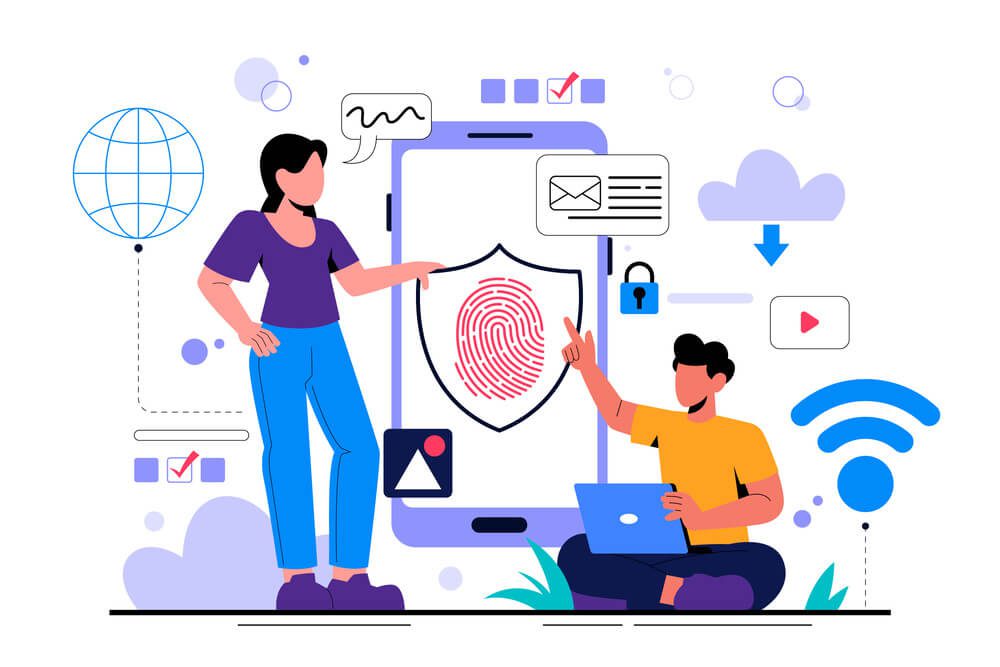
Passwords alone cannot guarantee security, especially when users fall victim to phishing attempts. Multi-factor authentication adds a verification layer, such as a one-time code or biometric verification, significantly reducing unauthorised access risks.
How Strong Passwords Protect Your Business from Cyber Attacks
A well-designed password strategy directly strengthens your overall cybersecurity posture. It prevents attackers from gaining initial entry into your systems, which is often the first step in larger breaches.
By enforcing strong passwords and access controls, businesses can reduce the risk of identity compromise, insider threats, and regulatory penalties.
Reduced Risk of Data Breaches
Strong authentication practices limit exposure to data theft and ransomware incidents. Attackers face greater resistance, making your organisation a less attractive target.
Improved Compliance and Trust
Many regulatory frameworks and cybersecurity standards require strong access control mechanisms. Implementing strong password policies supports compliance efforts and enhances stakeholder confidence.
Conclusion
Strong passwords may appear simple, but they remain one of the most effective defences against cyber attacks. For businesses, every employee account, administrator login, and cloud platform credential represents a potential entry point for attackers.
By prioritising password complexity, enforcing clear policies, and combining passwords with additional authentication layers, organisations can significantly reduce their cyber risk exposure.
Cybersecurity begins with strong foundations. Creating strong passwords is one of the most practical and powerful steps your business can take to safeguard its digital assets.
Frequently Asked Questions
What is considered a strong password for businesses?
A strong business password typically contains at least 12 to 16 characters and includes a mix of uppercase letters, lowercase letters, numbers, and special characters. It should not contain predictable information such as company names, employee details, or simple number patterns.
How often should businesses update their passwords?
Businesses should define password update cycles based on risk level and compliance requirements. High-privilege accounts may require more frequent updates. Additionally, passwords must be changed immediately if there is any suspicion of compromise.
Are password managers safe for organisations?
Yes, enterprise-grade password managers are considered secure when properly configured. They generate complex passwords, encrypt stored credentials, and reduce the risk of password reuse across multiple platforms.
Can strong passwords alone prevent cyber attacks?
Strong passwords significantly reduce the risk of unauthorised access, but they should be combined with multi-factor authentication, access control policies, and continuous monitoring for maximum protection.
Why do hackers target weak credentials?
Weak credentials are easier and faster to exploit compared to sophisticated vulnerabilities. Automated tools can test millions of password combinations quickly, making poorly secured accounts attractive entry points for attackers.